We have come across many cases where doctors are beaten up by the patients’ families and other outsiders. Any person, and especially doctors, are not supposed to be treated that way since they are involved in a profession responsible for saving lives. Many say that doctors do “God’s work”, justified enough but it may become a problem if they turn themselves into arrogant and ignorant beings. A similar story is narrated through the plot of “Ankur Arora Murder Case”, where a little boy sinks into coma and finally dies due to the hospital’s negligence.
Since the beginning of the movie we are shown two conflicting characters, Dr. Asthana and Dr. Romesh. We could see that their priorities were very different, they had different ideals. Dr. Asthana mostly believed in how to run the business that earned him his living. He told Ankur’s mother that operation could only take place the following day in spite the operation theatre being available. This was because he wanted to keep the patient for another day to churn out money from them. Romesh had his personal ethics in place and opposed to this. Corporate ethics are pitted against personal ethics when Romesh stands against professional negligence meted out by most trusted doctor hospital, Dr. Asthana. He was told by nurse Rosina that the kid (who had come to the hospital with a simple case of appendicitis) ate a few biscuits, one hour prior to the operation which could have deadly consequences. Asthana blatantly forgot that he had to use the Ryle’s tube in order to extract the food from Ankur’s stomach and he ended up in coma. Ankur passed away after 2 days. Romesh got to know it later but took no time standing up for truth and justice.
He approached the doctor to admit his fault in front of the Naina (Ankur’s mother) however, he was only redressed with threats. Dr. Asthana had previously cautioned the doctors in the Operation Theatre (which included Riya, Romesh’s love interest) and the nurse to keep shut or their positions and careers shall be compromised. This is plain harassment. All this was the result of the mismanagement of crisis. The doctors had tried to retrieve the kid, who slipped into coma after their cumulative failure. They lied to the parent saying that his lungs had collapsed after the operation was over. The management tried the best to cover things up and put him on ventilation before he passed away.
A case was filed against the hospital, management and especially Dr. Asthana by Romesh and the victim’s family. At this hour, instead of being sympathetic towards the deceased’s family they counter by alleging them of blackmail and extortion. The redressal mechanism of the management only focussed on saving their own collars and in the least did they think of the death of an individual.
Another example of workplace harassment could be the prosecutor lawyer (Kajori Sen) being threatened by her senior and the defence lawyer for the case (Rajiv Mallani), on the grounds that she had previously taken his help in climbing up the ladder of success. Now he tried to demean her by discouraging her attempts to win the case, calling her names and trying to break the witnesses and evidences using money and force. Both the lawyers had a history of an extra-marital affair and only when Mallani asked Kajori to get an abortion did she realise the pain of losing a child. Had this incident not happened, both of them would have worked together in order to confuse the case and prolong in order to suck out more cash from both parties. Here too, we see a how personal ethics barged in from a sense of apprehension of the truth of their relationship. She left behind the mindset of minting money at the cost of justice and righteousness.
At the very end when Riya finally released a footage of a sting operation that she had pulled on Dr. Asthana finally closes the case. He is sentenced of 3 years of prison. This sting operation was actually in opposition to work ethics but when we question one’s conscience, probably that was the right thing to do.
The entire storyline of the movie gives us several examples of management failure, a battle of ethics and backlash from organisations when you want to stand against them.
Humans can experience a myriad set of emotions. Everyone has a unique combination of what they want, their belief system and what they fear – all this make up the character of an individual. It is interesting that how in spite of people having similar choices in what they like or dislike, is not absolute of the fact that they will have identical thought processes. This majorly pertains to as to how they had had an experience of it in their course of life. Little occurrences tend to impact us in ways we fail to realize and somehow constitute our psyche.
Fearhas always driven us into making or not making certain choices in life. The fear of failing for example has hindered me from being more outgoing, has diverted my mind into taking decisions that are not risky and have lesser chances of backfiring. I have never taken part in any solo competitions till date. A mixture of self-doubt, social anxiety and fear of failure has led me into believing that I am not good enough, hence it has barred me from accomplishments.
Liking and loving may seem so closely knit however, we cannot pass them off as the same feeling. I like listening to music and reading in my time of leisure which enriches me, educates me and makes me aware of my surroundings. But I love dancing. I put in conscious effort in learning more about by browsing, attending dance classes and workshops. This too has helped me focus on myself, my passion and encouraged me to anchor myself towards achieving a goal.
Hateis a big word to apply to anything that one borderline dislikes. So, hatred applies to something one utterly detests. In my case, I really cannot put a finger on something I hate but I can surely say that pretention is one thing I loathe. All of us striving behind facades, speaking ill of others behind their backs and then being all flowery with them in their presence. It is very important to be truthful at least to yourself. One may suffer from identity crisis if this continuous process of lying to oneself goes on incessantly.
Since everything depends on the perspectives each one forms in their heads, agreeing and disagreeingis just a matter of debate. We have established, in this world, that morality too is subjective and there cannot be an ultimate truth or code of morals. Something that may come off to me as right, may not hold the same value for many others. So, I agree to matters that seem correct to me. I agree to justice, I agree to a government that does not divide the country into communal fragments and gives hope to its people. On the contrary, I disagree with everything that goes against that, I disagree to the fact that people can be so selfish that they do not feel the need to clarify their actions. I disagree with ones claiming that they owe their parents nothing and it was their responsibility to bring them up. As much as I agree that it must be their responsibility, I cannot emphasize more on the fact that being ungrateful to your parents by passing it off as a job that every parent has to do, is the highest level of thanklessness. I disagree with people who think otherwise.
I want a lot many things. Making my parents proud and happy tops the list. I want to work for a cause that will drive the world into a better place. This may sound a bit too righteous and far-fetched but just doing our own bit helps a lot in building something worthwhile. If we cannot do anything while in this world, I do not see why we should blame others for our failures. I want to land up a good job so that I can make my parents feel at peace and gather enough means to actually be able to contribute towards the betterment of anyone who needs help. I would also want, at a personal level, to be more confident. It may feel very emancipated, if even after knowing what I am talking about, to actually have the courage to speak on it. On similar lines, I wishI had all the means to do what I want. I wish I could go back to my childhood to a simpler time. Sometimes I also wish the world was not so competitive that we had to stay away from our loved ones in order to accomplish goals in life. What is the use of leaving behind the ones you love, with the ambition of being successful and hoping you will make them proud when you know that your presence would have made them feel much better than any other achievements in life?
Among the few things what I would never want is hurting someone so badly that it comes back to me. I believe in karma, have faced its consequences and never again. It is self-absorbing in some sense; however, it works both ways. Do no harm and wish that no harm should be inflicted on you, but always be prepared for it. I would never want people to misunderstand me or do not believe me if I am trying my best to explain the truth. Therefore, I have always tried to be as good to people as I can be.
Belief, hope, expectation, dreams and everything related to it is a matter of longing, it is unknown and hardly promising. If I am asked of what I believe in, I would say I believe in a world that will co-live peacefully among nature. Marx and many other philosophers saw this as an attainable environment. After reading them, I kind of feel that the world does not have to be a cruel place with authorities sucking on people working under them. I believe that there is good in every person, it just does not surface because of various traumas they might have gone through, because of what society expects out of them and lastly because they do not want to let their guard down. I believe every person should be given their due credit and badmouthing for the sake of it has never done any good to anyone, it shows the hollowness of the within. All these ideas have made me hopeful for future, which drives me to work better, put in more effort in whatever I am embarking on.
Fear is subjective just like any other instinct or sensation. Humans have all sorts of fears and a name prescribed to each one of them. It does not come to us without a rhyme or reason or sometimes certain encounters or incidents that we have experienced in life. Claustrophobia is one of the most common phobias, it may occur due to any past trauma or maybe someone discovered it only when they faced being in a closed space to which someone else would have reacted pretty normally. Extreme fear of something is a mental disorder but it is nothing to be afraid of, people just need to acknowledge it and not stigmatize it. Fear of being alone or Agoraphobia is a serious condition that bounds people to their houses. This may vary from being in a situation or place where escape may be difficult. The fear involves of crowded areas, open spaces, or situations that are likely to trigger a panic attack. Besides, another related fear is the fear of missing out. It may seem like a problem that does not affect many because everyone likes to feel in control of the situation. But somewhere or the other, in case of certain people, in certain situations, every single person has experienced this. We would be detached from the society if we could be entirely self-sufficient. Since we are social animals, a collective conscience is what binds all of us and this fear is pretty much inclusive in that sense.
Overcoming phobias has never been a piece of cake. Individuals suffering from specific conditions have been made fun of by their peers even family. To overcome the fear as such, surrounding oneself with compassionate people who do not judge on the basis of this, is integral. The very next step is to face the fears that may have haunted them for years. Even if one cannot completely get rid of it, they should know how to calm themselves when it is required. In moments of panic, they should resort to thinking or doing things that soothe them and take their minds off the turmoil.
Fear, as said before, is subjective. Being afraid to express oneself or standing up for oneself or trying to overcome phobias, are the kind that can be taken up and it most favorably takes us towards building self-respect or dealing with the demons within. However, situations that have a visibly negative outcome or oblivious outcomes are the ones foe which we need to lookout for. We take life as it comes to us, nothing is definite and one should take risks after validating all possible consequences.
As Dudley Nichols said “Fear is the highest fence”, we too should follow it in certain circumstances. When we talk of the unforeseen future, the fear of unknown unites us as a species. Just as it is shown in the movie “Duel” (by Spielberg) both the characters are subjected to the fear of the unknown. Neither of them, have any idea what the other person is thinking. Both go on with the mindset that either one wants to kill each other. This mystery does not get solved until the end and one of them ends up losing his life. Darwin’s theory of survival of the fittest has the concept of fear deeply seated in it. You either terminate the person who is a threat to you or be killed of not attempting to do anything about it.
In the present scenario, the COVID-19 situation is rampant, survival has become the priority for everyone. Every passing day we are getting to know newer and scarier facts about the pandemic spreading virus. It is mutating every hour from beginning to infect humans and now spread to cats. Therefore, we are completely unaware of what is coming for us, the doom that awaits us and the exponentially degrading GDP making our future insecure. A constant state of fear is what we are residing in, we are grabbing all the hand sanitizers we can, tissues are going out of stock, all sorts of traffic has been suspended, schools and offices have been shut down. Even after taking all these precautions, positive cases of corona virus have been increasing over time. The impending cannot be stopped but we are scared and that is what is protecting us. A few of us who have to leave the house premises are wearing masks, washing ourselves head to toe after coming back home, sanitizing our hands every now and then – all in a state of panic. Had we not been afraid of this health hazard, had we been nonchalant about the entire matter, the result could have been worse. The government and the media have done a good job in inducing the fright in us.
In conclusions, fear is a real thing and acknowledging it only makes us stronger and does not seem a sissy at all. An intelligent and practical individual will always be aware of the problems and will not plunge into a mindless situation just to show off her or his bravery.
Everyday umpteen double-crossings go on in front of our veiled vision in the corporate world. All these behind the scenes are sometimes ethical and many a times unethical. This divides the myth and the reality of the corporate sector. While entering into the business sector, we can imagine a lot of flowery things that we expect from our job – a satisfactory work experience, a good pay role and hence a happy family life. However, the reality is miles away from this. Every employee has to fight everyday to keep their jobs intact, there is a mad scramble for opportunities, competition regarding who could perform better that their colleagues. The employees, as much as they are working hard for keeping their jobs, the CEOs and the owners are as well in a daily quest to keep up the name of their companies while earning as much popularity and fame.
Management drives the working of the entire company we can call it the think tank of the corporate. It is majorly responsible for maintaining employee input, company output and profits. When question arises of what is real management, it seldom goes by the bookish idea of it. The competition out there in the practical world of business can rare similarities with the theoretical idea of it. There are two kinds of managements that a leader can take up for the proper processing – effective and efficient. Efficiency and Effectiveness both have a prominent place in the business environment which must be maintained by the organisation because its success lies on them. Efficiency has an introspective approach, i.e. it measures the performance of operations, processes, workers, cost, time, etc. inside the organisation. It has a clear focus on reducing the expenditure or wastage or eliminating unnecessary costs to achieve the output with a stated number of inputs. In the case of Effectiveness, it has an extroverted approach, that highlights the relationship of the business organisation with the rest of the world to attain a competitive position in the market, i.e. it helps the organisation to judge the potency of the whole organisation by making strategies and choosing the best means for the attainment result.
There are a lot of decisions that the company has to take for its own good that may not come off as particularly ethical. In the movie ‘Corporate’, we are introduced to two rival companies – Sehgal Group of Industries (SGI) and Marwah Group of Industries (MGI) who would go to any extent to topple the one another. The plot of Corporate revolves around how politics is interconnected with business and vice versa followed by what unethical steps does the management have to take in order to maintain superiority in the game.
When MGI gets a certain contract through their political connection Gulabrao, SGI sends in their Vice President (Nishi) as a bait to get information from MGI’s employee Pervez. Once they have got the information and are counter-attacked by MGI for adding harmful pesticides in their cold drinks, they put the entire blame on Nishi to release the company of all charges. Here, we will notice how nobody’s position is secure in a corporate. Pertaining to the cut-throat competition, everyone is fighting to remain in power. Jealousy, pleasure, and the most common human sentiments are the key turning points in decision making. Later on, the owner of the company Sehgal did not bother about his pregnant employee Nishi (impregnated by Sehgal’s own brother) or the plea of his brother Ritesh of Nishi’s bail. However, Gulabrao was not ready to let her go even if SGI and MGI had resolved their issues because his political career could be threatened. Ritesh was found dead the following morning to which he had threatened his brother of exposing him in front of media and Nishi was still in jail. The movie ended with her still fighting for her innocence, with her 2 years old child beside her.
Value management is a combination of planning tools and methods to find the optimum balance of project benefits in relation to project costs and risks. It is the process of planning, assessing and developing the project in order to make the right decisions about the optimized balance of the benefits, risks and costs. The movie certainly went against ethics but at the end the corporate won against the mere individuals. The decisions that were taken by the owner of SGI were right for the company but when looked at it from the perspective or moral, it was an utter disaster, it costed them a murder, wrong allegations on the employees and a lot of under the table transactions.
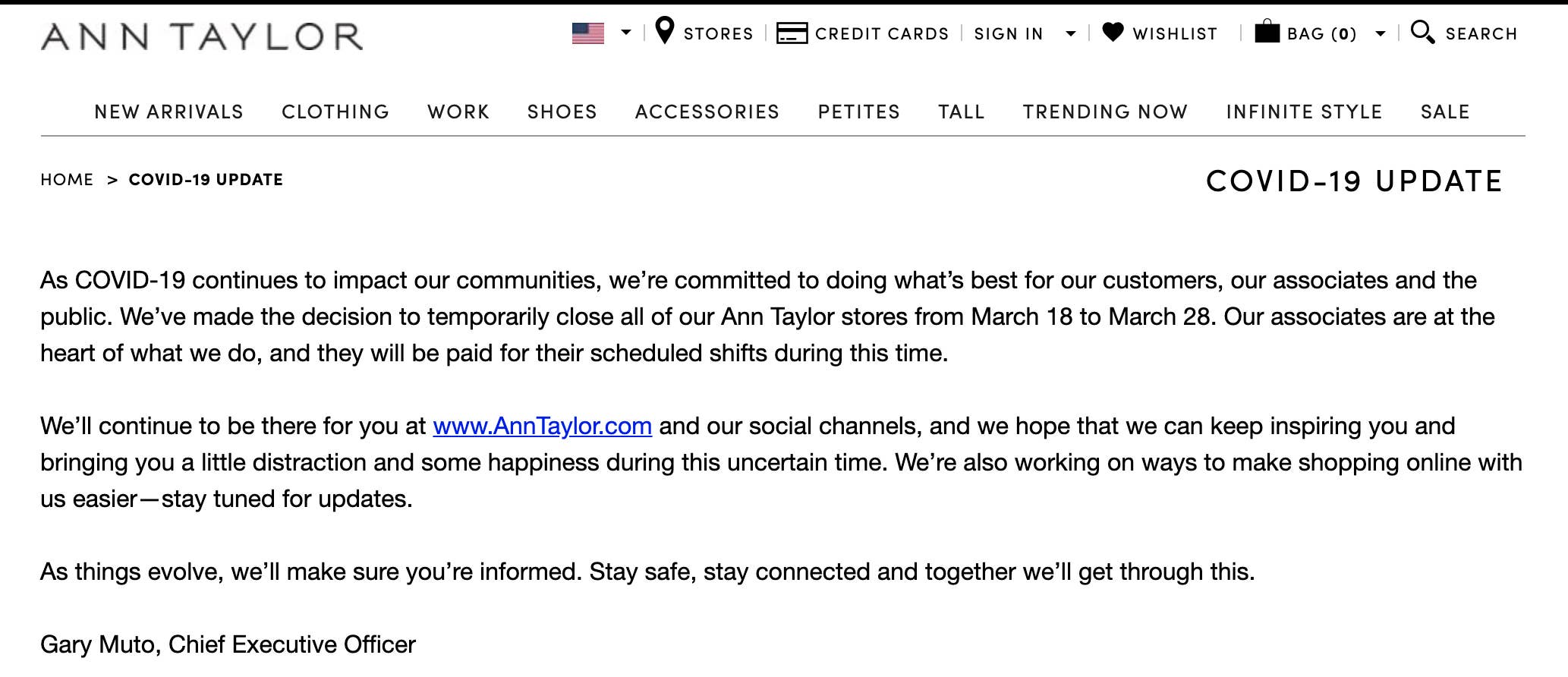
BuzzFeed News: In response to the coronavirus pandemic, big clothing brands, including Ann Taylor, American Eagle, and Anthropologie, shut their stores across the world but earned praise for announcing they’d pay their store employees during the closures.
But employees told BuzzFeed News that the companies are misleading them as well as the public.
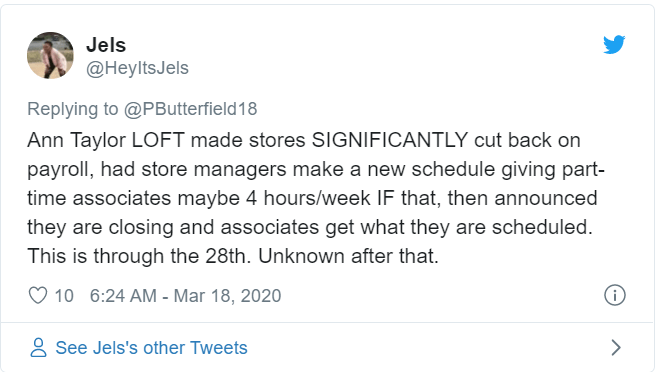
Store associates ended up getting paid very little or nothing after stores cut their scheduled shifts before announcing the closures. And employees said the companies have failed at communicating with them during the pandemic.
“They’ve been misleading, manipulative, and created far more stress in an already stressful time,” an Ann Taylor store manager, who requested anonymity for fear of losing her job, like several other people who spoke for this article, told BuzzFeed News. “People who shop there were texting me saying they were so happy Ann Taylor was paying associates, and I had to tell them they actually weren’t. Everyone is angry — clients, managers, associates. Everyone.”
The movies like ‘Chasing Coral’, ‘Plastic Ocean’ and ‘An Inconvenient Sequel: Truth to Power’, talk specifically about the problems mentioned in the Corp 21 regarding the Sustainable Development Goals. Al Gore (had been the 45th Vice President of the United States, is now a full-time Climate Change Activist), the man behind the success of the Paris Agreement, was the one whom An Inconvenient Truth and sequel were made. Here, Al Gore talks about the effects of carbon dioxide poisoning on the environment, the thinning of the ozone layer and everything that comes as a result of it. The glaciers are melting which are giving rise to floods and rise in sea levels. In time, the entire world will come in the clutches of climate change. There have been massive floods in Miami in the US as well Kerala and many other places in the Indian subcontinent. The costs of Indian ocean, i.e., in India, Sri Lanka, Philippines has accounted for the death of various sea animals like turtles and whales.
The movie ‘Chasing Coral’ is all about how oceans are sucking in more of carbon dioxide resulting in the death of the corals. In the process, the world is losing out on beauty, so many varieties of corals are at the brink of extinction and diverse types of fish lose their habitat. ‘Plastic Ocean’ states the reason of water animals and birds who survive on the food from sea or ocean are dying on a daily basis. Primarily, this is because of the pollution brought about by humans. They throw plastic variants in the oceans from the ships, there are oil spills every second day, the beaches are studded with plastic waste which again flow into the water bodies. Al Gore takes upon himself the initiative to save the nature by making the world more aware about the impending danger if the people do nothing about this. He went around travelling to countries who pulled a veto against the Agreement to convince them to vote otherwise.
The SDGs that concern these movies are- Goals 7: Affordable and clean energy, Goal 9: Industry, Innovation and Infrastructure, Goal 11: Sustainable cities and communities, Goal 12: Responsible consumption and Production, Goal 13: Climate Action, Goal 14: Life under Water, and Goal 15: Life on Land.
In ‘Chasing Coral’, scientists are unequivocal about the cause of the bleaching: the oceans are warming, because they are absorbing more and more greenhouse gases as humans release massive, harmful amounts of carbon into the atmosphere. The more they heat up, the more algae the coral polyps must release to ensure their own short-term survival — but coral can’t survive long-term in such warm temperatures. It’s estimated that close to half of the coral in the Great Barrier Reef alone have died in the last 18 months. Things have gotten so bad that the terms of the debate have now shifted among coral scientists: Rather than try to restore the reefs, some simply hope to keep the remaining healthy reefs in functional condition. As it goes over the documenting process, the film does a useful job of informing us why coral is so important, showing how it provides sustenance to fish who then become food for other animals and humans. And that’s to say nothing of the tourism dollars at risk. But the climactic unveiling, when the research team can finally show off their hard-earned images of vanishing coral, takes place at a coral reef symposium.
‘The Inconvenient Sequel: Truth to Power’ delves deeper into the arcane details of compromise than its predecessor, with scenes of Mr. Gore working to find a middle ground between the needs of developed and developing nations. In a group meeting, Piyush Goyal, India’s power minister, pushed back against Mr. Gore’s desire to replicate in India the expanded use of solar energy in the United States. “I’ll do the same thing after 150 years,” Mr. Goyal had replied. During the 2015 Paris Climate Change Conference, Mr. Gore, who wasn’t an official negotiator, tried to persuade Lyndon Rive, then chief executive of the American company SolarCity, to grant India the rights to a patent on a type of solar technology. The results weren’t clear from the film; India signed on to the Paris agreement without making a deal with SolarCity and still hasn’t made one.
‘Plastic Ocean’, throughout the film, we are shown footage of numerous marine species that have been affected by plastic debris. Marine animals and sea birds often mistake floating plastic for food. Large pieces of plastic, when eaten, can obstruct the animals’ digestive tracts of the animals, essentially starving them to death. When smaller “microplastics” are ingested, toxins are released and become stored in their tissue. These toxins accumulate up the food chain and can eventually end up on our dinner tables. The consumption of the contaminated seafood can cause many health problems including cancer, immune system problems, and even childhood developmental issues. This is a major problem, as almost a fifth of the world’s population relies on the ocean for their primary source of protein. Society’s huge appetite for plastic is literally poisoning us.
Certain countries like Sweden, Denmark, Norway and Finland are closest to achieving the SDGs up until now. Companies must maintain consistent standards for disclosing how business activities impact on progress towards the SDGs. Firms should shift away from reporting on how they are taking action to progress certain goals and towards disclosing how all business activities – including investment activity – impacts progress on the SDGs. A statement should be procured from a firm’s Board Chair that says the Board accepts responsibility for the SDG Disclosures in the annual report. Firms should also consider sustainable development risks and opportunities relevant to their long-term business strategy, the report says. Standardised reporting on these issues would make it easier for investors and banks to compare vulnerability across sectors and move capital to more climate-resilient companies and sectors. Besides these, the government should educate more and more people of the shortcomings of pollution and therefore, climate degradation. The society and the government should be working side by side if the problem has to be tackled overcoming all prejudices. The focus of employment should be slowly shifted and not rushed into if the government wants to plant solar plants and stop any further mining of coals. The government has to change their entire budget planning and as well as changing of mindsets of the people and hence, more time is required.
Work is a very subjective concept. People derive satisfaction from work in various ways which gives rise to discrepancies between expectations and reality. If we take the example of “The Devil wears Prada”, Andrea really wanted to work for magazines like Vanity Fair or any other New York based publication but certainly not a fashion magazine. Nevertheless, she got placed in the magazine ‘Runway’ as Miranda Priestley’s assistant- a job “million girls could kill for…” Even if she claimed to have an idea of fashion, her sense of dressing up did not validate her stance. Andrea considered fashion a shallow profession to be in but she knew that the prospects of meeting with a famous editor was high and took the job anyway.
On the first day of work, Andrea Sachs described her resume but Miranda had minimum interest in it but ended up appointing her. She found her ‘smart’ when compared to the girls she usually took in. Andrea had no idea what she was getting into, she had no clue about the magazine or Miranda, she expected it would be like any other clerical job at any other company like taking notes, arranging meetings, etc. As it turned out, she had to dress up in a stylish manner, be more efficient and hardworking than usual. Andrea had to abide by the whims and fancies of Miranda, run errands from booking a flight for her during a hurricane to arranging unpublished manuscripts of the new Harry Potter book for her daughters. She had to exert herself by waking up really early, get food and beverage for Miranda, walk her dog, deliver her dry cleaning and other official work like getting fashion attires and the ‘Book’, talking to designers on her behalf and more. Besides these, she had to deal with an extremely tough, sassy and punctual boss and colleagues who made life even more difficult for her.
Andrea was getting sucked more and more into the world of fashion, something that was not an option to begin with. In order to become successful, she had almost given up her personal life with her boyfriend Nate and got involved with an established writer and editor, Christian Thompson.
Amongst all this the protagonist learnt a lot. She had to take decisions for herself that costed the dreams of a fellow colleague, Emily. Her experience in ‘Runway’ only enriched her skills and made her realise what she really wanted from her career. She asserted that she was not like Miranda and could not be as heartless as she was when Miranda very ruthlessly gave away Nigel’s post to Jaqueline Follet to save her own post as the editor in chief of ‘Runway’. But Miranda made her realise how she had already turned into an undesirable expectation of herself by choosing her benefit over her colleague’s aspirations. Andrea was trying to deny her will by saying that she had no other choice, however, she was unaware of the fact that no matter what, one always has a choice to pick.
Therefore, Andrea chose to walk away from the fantasy world of glamour and shimmer and finally could resort to her dreams. Now she could look for a job that would really fulfil her expectations. Miranda did recommend Andrea for her dream job at a New York publication where she finally got placed. She knew what Miranda had taught her was the reality of the world, everyone tries to cross and forego one another and she was now ready to deal with it.
The expectation and reality of Andrea’s job role were poles apart but she did gain knowledge and experience and learnt from her mistakes. She acquired that no job was trivial enough to be mistreated as every occupation needs a certain level of enthusiasm and commitment. One needs to take things as it comes to them, the crux of the matter is being whole-heartedly participative and cooperative in the work space and develop the existing skill set.
If I have to give my experience of a workplace expectation gone wrong, I would like to give an example of a PR job that I had taken up back in my hometown. The internship in the graduating years are mostly unpaid and so was this one. In spite of that I was very eager to do my work there. I had a completely different (rather bookish) idea of the job description of a Public Relations executive. I knew that I had to increase the reach of the page in whichever way possible. Over time besides doing my prescribed work, I had to go around selling tickets for their event as well as collect sponsorships. I had not signed up for it but it turned out to be a good experience. There were many lessons I got to beginning from on field work to crowd management to guest handling.
To sum it all up, never mind the job description, there is something or the other to take away from every opportunity which furthermore helps us in the future. It helps us in dealing with numerous unforeseen situations and crises.
All work and no play, makes Jack a dull boy. Haven’t we all heard of this proverb? This is exactly what ‘Office Space’ is trying to tell us but probably they took it a bit too far. The movie shows how challenging a 9 to 5 job can be. It is mundane and there is no essence of excitement or adventure whatsoever. The characters- Peter, Michael Bolton, Samir, Joanna, Milton and Tom Smykowski – always complained about their dull jobs at Initech. They were mostly ill-treated and did not receive recognition of any sort, with their bosses always breathing over their shoulders.
The protagonist of the movie, Peter, was asked and reminded of the T.P.S. reports by eight of his bosses, Bolton and Samir were the most talented software engineers and yet they were considered to be laid off. Milton was laid off 5 years ago but no one bothered to tell him, he had been coming to office since then, his cubicle was shifted every now and then and finally placed in the basement. Joanna’s boss gave her a hard time because she did not seem as interested in her work as was demanded. Each one of them were utterly disheartened by their work life but Samir and Michael were too paranoid about leaving their jobs and continued anyway. Everything changed after Peter went to a psychiatrist and the psychiatrist died while treating him, he understood the worth of life. He decided not to worry about work or if his girlfriend cheated on him or not. Peter mixed his professional life with his personal life and blurted out the problems he was facing in the office in front of the consultants. He said that he did only 15 minutes of worthwhile work. The consultants responsible for the sacking the employees were really impressed by Peter’s honesty. Right after that he started loving his job environment, he wore casuals to office, he did not acknowledge the presence of his boss Lumbergh, played tetris, ate and dropped the wall of his cubicle, many a days he did not show up and spent time with his girlfriend fishing and boating- no one could oppose anything he did. Peter got rid of his anxiety and started enjoying his life. Samir and Michael were more worried for his job than he was. To everybody’s surprise, he got promoted instead of getting fired.
Peter was a man who did not want to do anything in particular, did not want to work or pay his bills, that is what he confessed in front of Joanna. Therefore, he decided to pull a trick so that he could make a big buck and did not have to work. He talked to Samir and Michael who were anyway getting fired. They were software engineers and helped him introduce the virus in the computer system which will transfer all the change of the transactions to their account. Before they resigned, they brought the faulty photocopier with them beat it to pieces, with a baseball bat. However, an erroneous parameter led around 300, 000 worth of transfer to their account which should have originally taken 2 years to get collected. The three friends lost their minds and started accusing Peter. He decided to take the entire blame on himself so that his friends were saved. He repaid the money and wrote to his boss regarding the fiasco and slipped it under his door. The next day when he went to the office, he found that the entire office had burnt down and by none other than Milton. He always used to mumble about burning the office but neither anyone listened to it nor paid attention.
Finally, Peter was free of guilt and went on to work as a construction worker along with his neighbour Lawrence. Samir and Michael came back to him and wanted him to work in their office but Peter loved what he was doing then and stuck to it. Joanna on the other hand left her job at Chotchkie’s and started working at Flingers. In the ending scene, Milton was seen enjoying his time on a beach. Basically, he had reclaimed the money he was supposed to get from the office and much more from the envelope in Lumbergh’s cabin.
In conclusion, everyone was happy and peaceful and enjoying their work. All of this pertaining to the choices they made while they could.
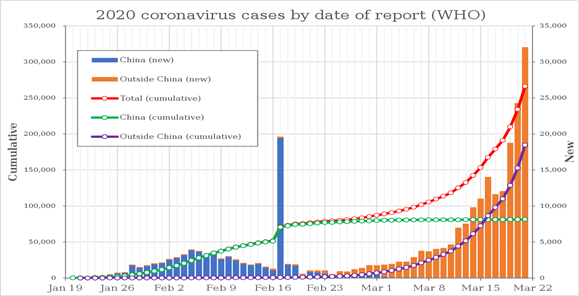
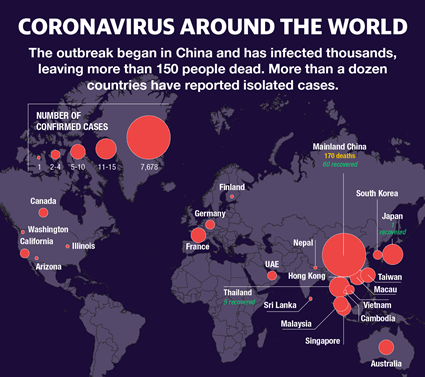
Corona virus (COVID-19) is the ongoing pandemic that had begun in 2019. However, it was declared as a pandemic on 11th March, 2020 by WHO. It generated in Wuhan in China and has spread exponentially throughout the world and has been registered in 180 territories and countries globally. Italy, South Korea and Iran are few of the most effected regions. As of 22nd March, more than 308,000 cases, more than 13,000 deaths and 95,000 recoveries have been reported. This has resulted in widespread panic, shutting down in businesses and breakdown of economy, curfews being imposed and self-quarantining of a huge number of people. In India, until now there have been around 315-320 infected individuals. Some precautionary measures that had been prescribed to everyone for safety like- social distancing, maintaining cleanliness and basic hygiene, usage of alcohol-based hand sanitizers and that people with cough and cold should wear masks.
GOVERNMENT MEASURES
Image 2.
CHINA- The team began in Beijing and then split into two groups that, all told, travelled to Shenzhen, Guangzhou, Chengdu, and the hardest hit city, Wuhan. They visited hospitals, laboratories, companies, wet markets selling live animals, train stations, and local government offices. They wanted to segregate the mildly sick people to stop the spread of the virus. But, at the fever clinic they found that most of the people tested with mild fever tested negative of the virus (0.14%). The most dramatic and controversial measure was the lockdown of Wuhan and nearby cities in Hubei province, which has put at least 50 million people under a mandatory quarantine since 23 January. This effectively prevented further exportation of infected individuals to the rest of the country of China. Chinese authorities also built two dedicated hospitals in Wuhan in just over 1 week. Health care workers from all over China were sent to the outbreak’s centre. The government launched an unprecedented effort to trace contacts of confirmed cases. In Wuhan alone, more than 1800 teams of five or more people traced tens of thousands of contacts.
Aggressive “social distancing” measures implemented in the entire country included cancelling sporting events and shuttering theatres. Schools extended breaks that began in mid-January for the Lunar New Year. Many businesses closed shop. Anyone who went outdoors had to wear a mask. Two widely used mobile phone apps, AliPay and WeChat—which in recent years have replaced cash in China—helped enforce the restrictions, because they allow the government to keep track of people’s movements and even stop people with confirmed infections from traveling. The mission member Gabriel Leung, dean of the Li Ka Shing Faculty of Medicine at the University of Hong Kong claimed that everyone has a traffic light system. Colour codes on mobile phones in which green, yellow, or red designate a person’s health status to let guards at train stations and other checkpoints know who to let through. As public life reduced, infected people rarely spread the virus to anyone but members of their own household, Leung claimed. Once all the people in an apartment or home were exposed, the virus had nowhere else to go and chains of transmission ended. In sum, Leung opined, there was a combination of “good old social distancing and quarantining very effectively done because of that on-the-ground machinery at the neighbourhood level, facilitated by AI big data.”
ITALY– Italian authorities have implemented draconian measures to try to halt the coronavirus outbreak in the north of the country, including imposing fines on anyone caught entering or leaving outbreak areas, as a third person was confirmed to have died on Sunday. Police are patrolling 11 towns – mostly in the Lombardy region, where the first locally transmitted case emerged – that have been in lockdown since Friday night. The latest victim died in the Lombardy city of Crema. Austria suspended train services over the Alps to Italy for about four hours late on Sunday before restarting them after two travellers tested negative for coronavirus. About 50,000 residents in the towns under lockdown have been told to stay home and avoid social contact, while schools, shops and businesses – apart from chemists – have been closed and festivities and sporting events including Serie A football matches and the final two days of the Venice carnival have been cancelled. Schools and universities will also be closed for at least a week in Lombardy, Veneto, Emilia-Romagna and Piedmont, while similar measures have been taken in Liguria and Alto Adige. Milan fashion week has also been affected by the outbreak, the collection would be shown to an empty room. On 11 March that the lockdown would be tightened, with all commercial and retail businesses except those providing essential services, like grocery stores, food stores, and pharmacies, closed down. On 19 March, with over 35,000 confirmed cases and nearly 3,000 deaths from the disease, Conte stated that the lockdown would likely be extended past its initial deadline of 3 April. Luigi Di Maio, the Minister of Foreign Affairs, has said that the lockdown has been necessary for Italy. The Italian authorities established sanctions for those who do not obey the orders, even those who, having symptoms of the virus, expose themselves in public places, being considered a threat of intentional contagion. On 21 March, the Prime Minister Conte announced a further enlargement of the lockdown, by shutting down all non-necessary businesses and industries, after a rise in the number of cases and deaths in the previous days, and after multiple institutions – including trade unions, mayors, and regional presidents – asked for a generalised shutdown of the Italian production system.
OTHER HOTBEDS- Iran reported its first confirmed cases of SARS-CoV-2 infections on 19 February in Qom, where, according to the Ministry of Health and Medical Education, two people had died later that day. Early measures announced by the government included the cancellation of concerts and other cultural events, sporting events, and Friday prayers, universities, higher education institutions and schools. Iran allocated five trillion rials to combat the virus. Plans to limit travel between cities were announced in March. Shia shrines in Qom remained open to pilgrims until 16 March 2020. Iran became a centre of the spread of the virus after China.
The 2019–20 coronavirus pandemic was confirmed to have spread to Spain on 31 January 2020, when a German tourist tested positive for SARS-CoV-2 in La Gomera, Canary Islands. As of 22 March 2020, there have been 28,603 confirmed cases with 2,575 recoveries and 1,724 deaths in Spain according to authorities.
On 1 February 2020, Australia banned the entry of foreign nationals from mainland China, and ordered its own returning citizens from China to self-quarantine for 14 days. On 1 March, Australia subsequently imposed a travel ban on Iran, South Korea (5 March), and finally Italy (11 March). On 22 March 2020, the State Governments of New South Wales and Victoria reacted to the pandemic by enforcing mandatory closures of non-essential services (such as bars, clubs, restaurants, gyms and other leisure venues), while the Governments of Western Australia and South Australia enacted border closures. A social distancing rule of 4 square metres per person in any enclosed space was enforced by the Australian Government on 21 March.
As a result of the outbreak, many countries and regions including most of the Schengen Area, Armenia, Australia, India, Iraq, Indonesia, Kazakhstan, Kuwait, Malaysia, Maldives, Mongolia, New Zealand, Philippines, Russia, Singapore, Sri Lanka, Taiwan, Vietnam, and the United States have imposed temporary entry bans on Chinese citizens or recent visitors to China, or have ceased issuing visas and re-imposed visa requirements on Chinese citizens. Samoa even started refusing entry to its own citizens who had previously been to China, attracting widespread condemnation over the legality of the decision. The European Union rejected the idea of suspending the Schengen free travel zone and introducing border controls with Italy, which has been criticized by some European politicians. After some EU member states announced complete closure of their national borders to foreign nationals. Saudi Arabia has temporarily banned foreigners from entering Mecca and Medina, two of Islam’s holiest pilgrimage sites, to prevent the spread of coronavirus in the Kingdom. The United States suspended travel from the Schengen Area and later the Common Travel Area. Many countries then started closing their borders to virtually all non-citizens or non-residents in rapid succession, including India, Slovakia, Denmark, Poland, Lithuania, Oman and Russia.
Owing to the effective quarantine of public transport in Wuhan and Hubei, several countries have planned to evacuate their citizens and diplomatic staff from the area, primarily through chartered flights of the home nation that have been provided clearance by Chinese authorities. Canada, the United States, Japan, India, France, Australia, Sri Lanka, Germany and Thailand were among the first to plan the evacuation of their citizens. Pakistan has said that it will not be evacuating any citizens from China. On 7 February, Brazil evacuated 34 Brazilians or family members in addition to four Poles, a Chinese and an Indian citizen. Brazilian citizens who went to Wuhan were quarantined at a military base near Brasília. On the same day, 215 Canadians (176 from the first plane, and 39 from a second plane chartered by the US government) were evacuated from Wuhan, China, to CFB Trenton to be quarantined for two weeks.
Australian authorities evacuated 277 citizens on 3 and 4 February to the Christmas Island Detention Centre which had been “repurposed” as a quarantine facility, where they remained for 14 days. A New Zealand evacuation flight arrived at Auckland on 5 February; the passengers (including some from Australia and the Pacific) were quarantined in a naval base at Whangaparoa north of Auckland. The United States announced that it would evacuate Americans aboard the cruise ship Diamond Princess. On 21 February, a plane carrying 129 Canadian passengers evacuated from Diamond Princess landed in Trenton, Ontario. The Indian government has scheduled its air force to evacuate its citizens from Iran.
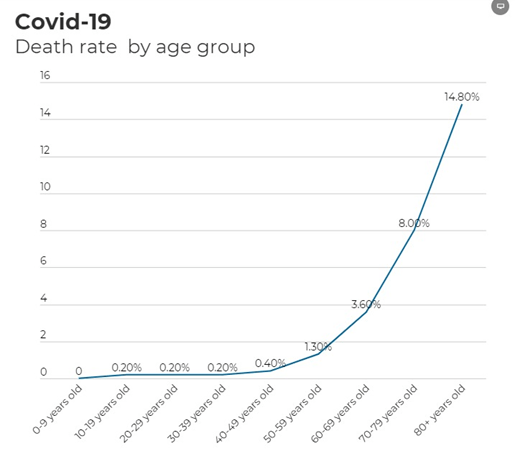
Image 3.
HEALTH ORGANISATION
On 5 February, the Chinese foreign ministry stated that 21 countries (including Belarus, Pakistan, Trinidad and Tobago, Egypt and Iran) had sent aid to China. The US city of Pittsburgh announced plans to send medical aid to Wuhan, which is its sister city. The University of Pittsburgh Medical Center (UPMC) also announced plans to provide help. Some Chinese students at other American universities have also joined together to help send aid to virus-stricken parts of China, with a joint group in the Greater Chicago Area reportedly managing to send 50,000 N95 masks and 1,500 protection suits to hospitals in the Hubei province on 30 January. The humanitarian aid organization Direct Relief, in co-ordination with FedEx transportation and logistics support, sent 200,000 face masks along with other personal protective equipment, including gloves and gowns, by emergency airlift to the Wuhan Union Hospital who requested the supplies, by 30 January. The Gates Foundation stated on 26 January that it would donate US$5 million in aid to support the response in China which will be aimed at assisting “emergency funds and corresponding technical support to help front-line responders”. On 5 February, Bill and Melinda Gates further announced a US$100 million donation to the WHO, who made an appeal for funding contributions to the international community the same day. The donation will be used to fund vaccine research and treatment efforts along with protecting “at-risk populations in Africa and South Asia.”
Other countries have also announced aid efforts. Malaysia announced a donation of 18 million medical gloves to China. The Philippine Red Cross also donated $1.4 million worth of Philippine-made face masks, which were shipped to Wuhan. Turkey dispatched medical equipment, and Germany delivered various medical supplies including 10,000 Hazmat suits. On 19 February the Singapore Red Cross announced that they will send $2.26 million worth of aid to China, consisting of protective material and training.
Image 4.
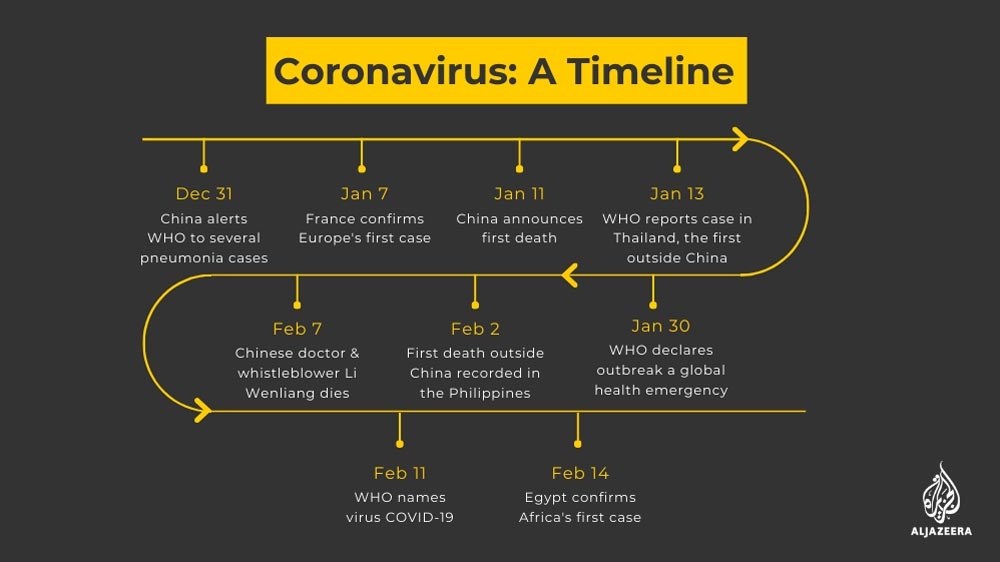
WORLD HEALTH ORGANISATION– On 23 January, in reaction to the central authorities’ decision to implement a transportation ban in Wuhan, WHO representative Gauden Galea remarked that while it was certainly not a recommendation the WHO has made it was also a very important indication of the commitment to contain the epidemic in the place where it is most concentrated.
On 30 January, following confirmation of human-to-human transmission outside China and the increase in the number of cases in other countries, the WHO declared the outbreak a Public Health Emergency of International Concern (PHEIC), the sixth PHEIC since the measure was first invoked during the 2009 swine flu pandemic.
On 5 February, the WHO appealed to the global community for a $675 million contribution to fund strategic preparedness in low-income countries, citing the urgency to support those countries which “do not have the systems in place to detect people who have contracted the virus, even if it were to emerge.” On 11 February, the WHO in a press conference established COVID-19 as the name of the disease. On the same day, Tedros stated that UN Secretary-General António Guterres had agreed to provide the “power of the entire UN system in the response.” A UN Crisis Management Team was activated as a result, allowing co-ordination of the entire United Nations response, which the WHO states will allow them to “focus on the health response while the other agencies can bring their expertise to bear on the wider social, economic and developmental implications of the outbreak. On 14 February, a WHO-led Joint Mission Team with China was activated to provide international and WHO experts to touch ground in China to assist in the domestic management and evaluate “the severity and the transmissibility of the disease” by hosting workshops and meetings with key national-level institutions to conduct field visits to assess the impact of response activities at provincial and county levels, including urban and rural settings.
COMPANIES
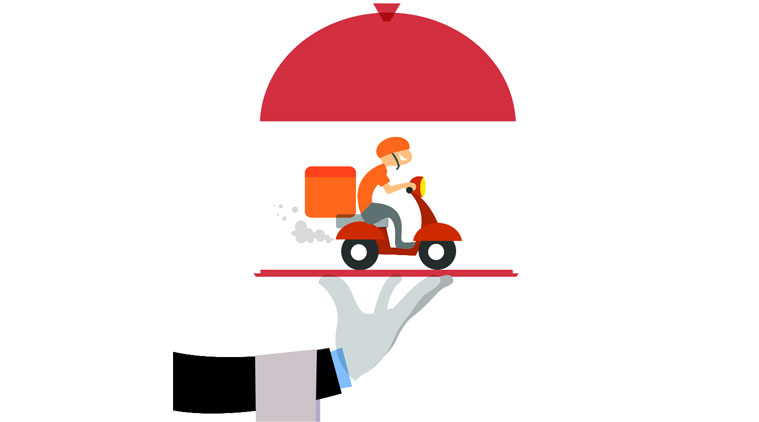
Image 5. How companies are helping their staff to cope with the pandemic situation.
Companies like Microsoft, Google, Amazon, Alphabet, Forbes, LinkedIn, OneDrive, Starbucks, Dolce &Gabbana, Apple, Uber, Walmart, Disney, etc., have stopped their business as much as possible. However, they are continuing to reimburse their employees with their salary. They have helped small businesses and donated huge sums for the safety of their vendors and other internal stakeholders. Dolce & Gabbana have announced that it has partnered with Humanitas University to fund a coronavirus research project. Starbucks has extended its mental health benefits. In partnership with Lyra Health, Starbucks is offering its partners personalized, confidential mental health care, 20 free in-person or video sessions every year for partners and each of their eligible family members, online scheduling with most providers available within two weeks, and access to a provider network of mental health therapists and coaches.
This is how most companies are giving back to the society which is responsible for running their business. One could consider this as a CSR activity but at this point it seems like the of the hour.
The Sustainable Development Goals (SDGs) which are also known as the Global Goals, were adopted in 2015 and is expected to be completed within 2030. It is an initiative by all United Nations Member States. It is a universal call to action to eradicate poverty, save the planet by protecting the environment and ensure that all people enjoy peace and have a healthy standard of living.
17 SDGs have been decided— they recognize that action in one area will affect outcomes in others, and that development must balance social, economic and environmental sustainability.
Post 2015 development agenda has been drawn under Sustainable development Goals (SDGs) which are much more comprehensive as compared to MDGs. SDGs call for ending poverty, ending hunger, improving well-being, ensuring equitable quality education, etc.
Eradication of poverty can be done only by creation of productive workforce and proportionate creation of job opportunities. Along with skill development, reorientation of education towards ‘Nai Talim’ (new education) which follows the principle of ‘learn as you work’, is required. Employment creation needs to be done in manufacturing sector as it holds the capacity to incorporate unskilled and semi-skilled labour which we have in huge supply.
Improving availability, accessibility and affordability of food grains is necessary for eradicating hunger. Availability can be increased by enhancing agriculture productivity. This is being done through schemes like PM Krishi Sinchayee Yojana, Soil Health card Scheme, National Livestock mission etc. This needs to be supplemented by new innovative methods such as precession agriculture, organic farming, hydroponic agriculture etc. Accessibility is being improved through Aadhaar based identification of beneficiaries and through Direct Benefit Transfer. Increasing reach of National food security Act and provisioning of buffer stock of essential food grains will ensure affordability of food grains. The draft National Health Policy 2015 calls for increasing public health spending to 2.5 % of GDP. The policy also envisages enactment of National Health Rights Act in order to make health a fundamental right. This will certainly improve the IMR, MMR numbers and promote well-being for all. NITI Aayog has called for bringing in private to fill the gaps in public health care spending. SDGs also call for sustainable management of water. Since the past decade people have been encouraged to look into watershed development approach which is based on rain water harvesting. India’s PM’s vision of more crop per drop too highlights the principle of efficient utilisation of water. SDG of sustainable and modern energy for all can be seen in the ambitious renewable energy targets of 175 GW by 2022. India has targeted full electrification of our villages by 2019. SDG of making cities sustainable and disaster resilient is being pushed through schemes such as Smart city Mission, AMRUT and Shyama Prasad Mukherjee RURBAN Mission. Their success will be determined by the amount of private investment these initiatives are able to attract. The adherence to SDG of combating climate change is visible through our ambitious INDCs (intended nationally determined contributions) in Paris Deal, Kigali Agreement to amend Montreal Protocol. India needs to supplement these efforts by incorporating innovative methods such as carbon sequestration as done by Canada, stratospheric aerosol geoengineering as done by China etc. and hence keep finding ways of reduce our carbon footprint.
The role in SDG of sustaining and revitalizing global partnership can be seen through the efforts at WTO which have fructified in the form of various trade concessions for least developing countries as was seen in recent Nairobi agreement. India has called for a permanent seat in UNSC to strive for the voice of developing nations on the highest platform. The call for Comprehensive Convention on international terrorism highlights the efforts towards securing global peace.
GOAL 1- Global reduction in extreme poverty was driven mainly by Asia – notably China and India. Between 2005-06 and 2015-16, the incidence of multidimensional poverty in India was almost halved, climbing down to 27.5 percent from 54.7 percent as per the 2018 global Multidimensional Poverty Index report. Within ten years, the number of poor people in India fell by more than 271 million (from 635 million to 364 million). Traditionally disadvantaged subgroups such as rural dwellers, scheduled castes and tribes, Muslims, and young children are still the poorest in 2015-16. However, the biggest reductions in multidimensional poverty has been witnessed among the poorest and traditionally disadvantaged groups – across states, castes, religions and age-groups. Multidimensional poverty among children under 10 has fallen the fastest. In 2005-06 there were 292 million poor children in India, so the latest figures represent a 47 percent decrease or a 136 million fewer children growing up in multidimensional poverty. The Government of India has many progressive schemes, including the world’s largest employment guarantee scheme, the Mahatma Gandhi National Rural Employment Guarantee Scheme, and the National Social Assistance Programme.
GOAL 2- South Asia still faces one of the greatest hunger burden, with over 15% of the population considered undernourished. How we grow and consume our food has a significant impact on levels of hunger, but it doesn’t end there. If done right, agriculture and forests can become sources of decent incomes for the global population, the engines of rural development, and our vanguard against climate change. The agricultural sector accounts for about 40% of the total employment in India. However, the agricultural, forestry and fishing sectors contribute only 15.5% to GDP value added. The Government of India has prioritised strengthening agriculture through measures in irrigation, crop insurance, and improved varieties. The government has also taken critical steps to enhance food security, including through an India-wide targeted public distribution system, a National Nutrition Mission and the National Food Security Act. The Rashtriya Krishi Vikas Yojana, the National Mission on Sustainable Agriculture and many national schemes on horticulture, agricultural technology and livestock are leading the way in improving India’s agriculture.
GOAL 3- India has made some progress in reducing its under-five mortality rate, which declined from 125 per 1,000 live births in 1990-91 to 50 per 1,000 live births in 2015-16, and its maternal mortality rate, which declined from 212 per 100,000 live births in 2007-09 to 167 in 2013. India has also made significant strides in reducing the prevalence of HIV and AIDS across different types of high-risk categories, with adult prevalence reducing from 0.45% in 2002 to 0.27% in 2011. However, a quarter of global TB cases occur in India where nearly 2.1 million people live with the disease, and an estimated 423,000 die annually as a result. The Indian government’s National Health Mission prioritises national wellbeing and is leading change in this area, in addition to targeted national programmes against HIV/AIDS and sexually transmitted diseases.
GOAL 4- In India, significant progress had been made in universalising primary education, with improvement in the enrolment and completion rates of girls in both primary and elementary school. The net enrolment ratio in primary education for boys and girls was at 100%, while at the national level, the youth literacy rate was 94% for males and 92% for females. The new national Education Policy and Sustainable Development Goal 4 share the goals of universal quality education and lifelong learning. The flagship government scheme, Sarva Shiksha Abhiyan, is aimed at achieving universal quality education for all Indians, and is complemented in this effort by targeted schemes on nutritional support, higher education, and teacher training.
GOAL 5- Although India has achieved gender parity at the primary education level and is on track to achieve parity at all education levels, as of June 2019, the proportion of seats in the Lok Sabha held by women had only reached 11% but 46% in the Panchayati Raj Institutions. India is also confronting the challenge of violence against women. As an example, a baseline study revealed that in New Delhi, 92% of women had experienced some form of sexual violence in public spaces during their lifetime. In 2016, close to a third of total crimes reported against women in India was cruelty or physical violence by her husband or his relative. The Government of India has identified ending violence against women as a key national priority, which resonates with the Sustainable Development targets of the United Nations on gender equality. The prime minister’s Beti Bachao Beti Padhao initiative aims at equal opportunity and education for girls in India. In addition, specific interventions on female employment, programmes on the empowerment of adolescent girls, the Sukanya Samridhi Yojana on girl child prosperity and the Janani Suraksha Yojana for mothers advance India’s commitment to gender equality, and the targets of Goal 4.
GOAL 6- The overall proportion of Indian households with access to improved water sources increased from 68% in 1992-93 to 89.9% in 2015-16. However, in 2015-16, 63.3% of rural households and 19.7% of urban households were not using improved sanitation facilities. According to the World Bank, more than 520 million in India were defecating in the open – the highest number in the world. This figure is expected to have reduced significantly given that improving sanitation is a key priority of the government which has introduced several flagship programmes including the Swachh Bharat Abhiyan to clean India, the National Rural Drinking Water Programme, and Namami Gange, which aims at the conservation of the River Ganga.
GOAL 7- India is projected to be a significant contributor to the rise in global energy demand, around one-quarter of the total. However, as of 2016, more than 207 million people in India do not have access to electricity. The government’s National Solar Mission is playing an important role in the work towards renewable energy, and interventions in rural electrification and new ultra-mega power projects are moving India towards achieving universal energy access.
GOAL 8- India can forge its own growth path, which can rely on both manufacturing and services as a growth escalator and employment generator. The challenge will be to create well-paying and productive jobs in non-farm sectors that can absorb more unskilled workers, including women and those in rural areas. As of today, labour-intensive manufacturing has not driven productivity growth and job creation. The sectors that have made productivity gains have been skill-intensive. Almost half the labour force in India still works in the agricultural sector. With low productivity, it is difficult to promote gainful employment in agriculture. Enhancing agricultural productivity through public investment and new technologies should be a priority focus area. Moreover, upgrading to high-value commodities, reforming agricultural marketing policies and market interventions, and strengthening linkages to agri-businesses are critical areas ripe for government intervention. Increasing the labour force participation of women is a powerful tool not only to empower women, but also to steer economic growth itself. As reported by the McKinsey Global Institute (2015), if India increases its female labour force participation rate by 10 percentage points by 2025, its GDP could rise by as much as 16 percent as compared to the business-as-usual scenario. India’s desired transition to a green economy will have a significant impact on job skill requirements within sectors, occupational profiles and business operations. Labour market and skill policies can play an important role in maximizing the benefits of economic greening for workers. Furthermore, The circular economy is gaining increasing attention as a strategy for long-term prosperity and sustainability. India’s engineering workforce, its rapidly developing engineering services, R&D expertise and its geo-position in South Asia, position it as a potential global hub for both frugal manufacturing and services. Additionally, the fourth industrial revolution is both an opportunity and a challenge for India. The government’s National Skill Development Mission, Deendayal Upadhyaya Antodaya Yojana, Atal Innovation Mission, as well as the National Service Scheme and the Mahatma Gandhi National Rural Employment Guarantee Scheme are some flagship programmes aimed at bringing decent work to all.
GOAL 9- The government’s flagship interventions like Make in India and Start Up India as well as Pandit Deendayal Upadhyay Shramev Jayate Karyakram are fuelling innovation and sustainable industrial and economic development.
GOAL 10- The Gini coefficient of income inequality for India fell from 36.8% in 2010 to 33.6% in 2015. The Government of India’s emphasis on the three-pronged Jan Dhan-Aadhaar-Mobile programmes are aimed at a comprehensive strategy of inclusion, financial empowerment and social security. These priorities are in line with the Sustainable Development targets aimed at achieving greater equality and promoting the social, economic, and political inclusion of all by 2030.
GOAL 11- India is urbanising rapidly. Between 2001 and 2011, the country’s urban population had increased by 91 million. India is projected to add 416 million urban dwellers between 2018 and 2050. By 2030, India is expected to be home to seven mega-cities with populations above 10 million. 68% of the country’s total population live in rural areas, while 17% of the country’s urban population live in slums. The Government of India’s Smart Cities Mission, the Jawaharlal Nehru National Urban Renewal Mission, and the Atal Mission for Rejuvenation and Urban Transformation (AMRUT) are working to address the challenge of improving urban spaces. The prime minister’s Pradhan Mantri Awas Yojana aims to achieve housing for all by 2022.
GOAL 12- The issue of resource use is vital for the country. While the country is home to 18% of the world’s population, it has only 4% of global water resources. The generation of waste and pollutants also poses a challenge. Only 19.9% of India’s urban waste is processed. India is the third highest emitter of carbon-dioxide and is responsible for 6.9% of global emissions. However, in October 2015, India made a commitment to reduce the emissions intensity of its GDP by 20-25% from its 2005 levels by 2020 and by 33-35% by 2030. On 2 October 2016 India formally ratified the historic Paris Agreement. The National Policy on Biofuels and the National Clean Energy Fund are some of the government’s flagship schemes aimed at achieving sustainable consumption and production, and managing the efficient use of natural resources.
GOAL 13- India is the third highest emitter of carbon-dioxide and is responsible for 6.9% of global emissions. However, the emissions intensity of India’s GDP reduced by 12% between 2005 and 2010. In October 2015, India made a commitment to reduce the emissions intensity of its GDP by 20-25% from its 2005 levels by 2020 and by 33-35% by 2030. On 2 October 2016 India formally ratified the historic Paris Agreement. India has committed to reduce the emissions intensity of its GDP by 20-25% by 2020. The Government of India has also adopted a National Action Plan on Climate Change to address this issue directly, as well as a National Mission for Green India. These national schemes are complemented by a host of specific programmes on solar energy, enhanced energy efficiency, sustainable habitats, water, sustaining the Himalayan ecosystem, and to encourage strategic knowledge for climate change.
GOAL 14- According to India’s Fifth National Report to the Convention of Biological Diversity 2014, India has a long coastline of about 7,517 km in length which sustains and provides a source of livelihood to over 250 million people. India is the second largest producer of fish in the world. The Indian government’s Sagarmala Project, also known as the Blue Revolution, is working to improve the state of India’s ports and coastlines. To conserve marine ecosystems, the government has undertaken a National Plan for the Conservation of Aquatic Eco-systems. Coastal and marine biodiversity protection is a key area of focus for India.
GOAL 15- In India, 176.4 million people were living on degrading agricultural land in 2010 – an increase of 10% in a decade, bringing the share of rural residents who inhabit degraded agricultural land up to 21% of the total rural population. During the same time-period (2000-10), the amount of people living in remote and degrading agricultural areas with limited market access increased by 11%, reaching 16.7 million people which is 2% of India’s rural population. The intensification and expansion of land degradation will harshly affect agricultural productivity, which will jeopardise agricultural livelihoods in the country. The annual cost of land degradation in India is estimated at US$ 15.9 billion which is around 1.3% of the country’s GDP. India became a signatory to the United Nation Convention to Combat Desertification (UNCCD) in 1994 and ratified it in 1996. In India, forest cover is now 21% and protected areas cover around 5% of the country’s total land area. India is one of 17 mega-biodiverse countries in the world. With only 2.4% of the earth’s land area, it accounts for 7-8% of the world’s recorded species. As India is home to around 8% of the world’s biodiversity, which includes many species found nowhere else in the world, the country is committed to achieving the Aichi targets of the Convention on Biological Diversity and is also an active participant in the implementation of the Nagoya Protocol. India’s National Afforestation Programme and a national programme on the Integrated Development of Wildlife Habitats are core projects aimed at the conservation of land ecosystems. Two specific schemes – Project Tiger and Project Elephant – are being undertaken to conserve two of the country’s most majestic species of animals.
GOAL 16- In India, the judiciary is overburdened due to the large number of pending cases, with the backlog touching 35 million in June 2019 – 31 million cases pending in subordinate courts, 4.35 million in High Courts and 58,669 cases in the Supreme Court. India has prioritised the strengthening of justice through government initiatives including Pragati Platform, a public grievance redressal system, and the Development of Infrastructure Facilities for the Judiciary including Gram Nyayalays for villages.
GOAL 17- The Government of India is an important part of this new global partnership, and it has been strengthened by the country’s efforts to build networks within the region and with the world. South-South co-operation has been a crucial part of this, as is India’s membership and leadership in institutions like the Shanghai Cooperation Organization, BRICS and its New Development Bank, and the South Asian Association for Regional Cooperation, as well as with UN agencies and programmes around the world.
Some of the SDG targets specifically call for ensuring that people have relevant information, awareness and skills needed to promote sustainable development. Besides these targets, there are also other targets for which awareness generation is a necessity. For example, citizens need to be aware of what to do in the event of natural disasters to ensure disaster preparedness of the country. At the core of all tasks undertaken for sustainable development, it is of utmost importance to enable people to understand the importance of the environment and make concerted efforts to use resources sustainably. The total finance required for this initiative works out to INR 30 lakh crores or USD 474 billion. Since these are new costs for creating awareness on sustainable development and there is currently no allocated public fund for this purpose, it is assumed that the gap is of the same size as the finance required. These costs may be sourced from various Ministries, who may conduct awareness generation as part of their existing or new schemes. Some of these costs may also be sourced from the private sector.
Ethics can be considered as a set of right and wrong way of conduct. When we talk about corporate ethics – it envelopes the written or unwritten principles or values that determine the actions within the company. The culture lays down the good and bad ways of behaviour. The specific corporate culture is mostly controlled by the people in a managerial position because they make most of the decisions for the company and they have power over the internal stakeholders like employees, vendors and suppliers and others.
Whistle blowing can be defined as exposing the wrongdoings prevailing in an organization. Ethics in businesses and organisations demands the presence of whistle blowing as the regulatory element of the daily on-goings of an organization. The movie “The Insider” deals with this crucial idea of whistleblowing. The character of Jeffrey Wigand, the protagonist, is the moral anchor of the movie. He lands on the decision of publicly revealing what tobacco companies were doing with nicotine to make cigarettes more addictive. Despite threats, he was courageous enough to speak what was correct.
What is legal and what should be illegal is always decided by the government and the body of justice. Therefore, anything that goes against them can be essentially considered as illegal whistleblowing. If a soldier is whistleblowing against the atrocities of the army inflicted on a village, it is considered to be illegal. On the other hand, in the corporate if the employee has signed a document that claims to preserve the confidentiality of the company and anyway goes on to reveal a harmful secret, he can be tried under law.
Just like whistleblowing in the real world, in the movie as well, a lot of backups and support is required in order to carry out the entire venture and to make it a successful one. Therefore, Wigand had to give up his job, the joy of being with his family along with his reputation to stand up for his morals.
A network is discreetly built in between media houses, corporates and the government. Somehow each one is controlled by another body at some point. They have their agreements, which is clearly shown in the movie. The channel CBS (that featured 60 minutes) interceded and asked to mellow down Wigand’s interview. This network was controlled by Laurence Tisch’s family. This family also ran the Lorillard Inc. which was a tobacco firm and had negotiations with the company is question Brown and Williamson for purchasing quite a lot of cigarette brands. Tisch’s son had testified before the Congress along with B&W’s Sandefur. The CBS possibly feared a multibillion-dollar lawsuit from B&W if they showed Wigand’s interview and it would negate a pending sale of the network to Westinghouse Electric. This particular sale was supposed to be profitable for top CBS executives from the stock options, which happened anyway.
Media is considered to be the fourth pillar democracy and is rightfully called so. Whatever media shows us, we receive it as the ultimate truth. All the propaganda of the government and all the advertisements that drive us to commodity fetishism are fed to us by the media. Be it the digital media or the print media, we consume news as it comes to us. The possession of media by the corporates and the government has become the way of the world.
Examples of such occurrences is how NaMo TV was established just to promote Narendra Modi as brand, to say what all good things he has done throughout the period of his reign. It would show the speeches of the Prime Minister and what he is about to do. On the other hand, Mukesh Ambani owns so many channels like Network 18 and Viacom. Mukesh Ambani has known connections with the government and we can be rest assured that the content that goes out on news channels can be tampered.
 BLOGBLOG